Comprehending Cooling And Heating: Typical Issues of A/c Systems and Their Solutions
HVAC systems play an essential function in keeping interior convenience. Nonetheless, a/c systems usually experience usual issues that can prevent their efficiency. Problems like poor cooling, unusual sounds, and constant cycling can suggest deeper mechanical concerns. On top of that, water leakages and unpleasant odors can jeopardize air quality. Comprehending these challenges and their solutions is necessary for effective upkeep. What actions can property owners require to assure their a/c units operate efficiently?
Inadequate Air Conditioning Efficiency
What creates insufficient cooling performance in a HVAC system? A number of elements can add to this issue. A typical cause is an unclean air filter, which limits air flow and reduces cooling down performance. In addition, low cooling agent degrees due to leaks can hinder the system's capacity to take in heat successfully. Another possible trouble may occur from a malfunctioning thermostat, bring about wrong temperature level analyses and inappropriate air conditioning cycles. Obstructed or filthy condenser coils can also avoid warm dissipation, further affecting efficiency. Ductwork concerns, such as leaks or obstructions, can result in unequal air conditioning throughout an area. Recognizing these issues without delay is essential for maintaining excellent cooling and heating feature and ensuring a comfy indoor atmosphere. Normal maintenance and evaluations can assist reduce these concerns and boost the system's general efficiency.
Unusual Noises Coming From the A/c System
A selection of uncommon sounds originating from an AC unit can indicate underlying issues that need focus. Usual audios consist of rattling, which might suggest loose elements or particles within the unit. Hissing noises often indicate refrigerant leakages, jeopardizing the system's performance. A grinding audio could indicate worn-out bearings or electric motor issues, while a piercing screech could indicate a trouble with the compressor or a slipping belt.
Each of these sounds serves as an indication that something may be amiss, possibly causing even more significant damage otherwise attended to quickly. Homeowners must prevent overlooking these auditory cues and take into consideration speaking with a qualified heating and cooling specialist for medical diagnosis and repair. Prompt intervention can not only restore capability but additionally expand the lifespan of the unit. AC repairman. Recognizing these noises as indicators of trouble is important for keeping peak cooling efficiency
Regular Biking On and Off
Constant biking on and off can indicate ineffectiveness or breakdowns within a heating and cooling system, typically referred to as short-cycling. This condition can cause increased energy intake and may trigger unnecessary wear on the device's parts. Numerous elements can contribute to this problem, including an improperly sized a/c device, a malfunctioning thermostat, or unclean air filters. When an AC system is also large for the area, it cools too promptly, triggering it to cycle frequently without adequately evaporating the air. If the thermostat is damaged, it may improperly signal the system to transform on and off. Additionally, blocked or filthy air filters can limit air flow, prompting the system to work more challenging and cycle more frequently. Dealing with these concerns immediately is vital to improve effectiveness, extend the life expectancy of the HVAC system, and preserve suitable interior convenience.
Water Leakages and Water Drainage Issues
Water leakages and drainage problems can pose significant obstacles for cooling and heating systems, leading to prospective damage and ineffectiveness. These problems frequently originate from clogged condensate drains pipes, which prevent water from draining effectively and can lead to overflow. Furthermore, damaged drain pans or inappropriate installation might intensify these leaks, triggering water to gather in undesirable areas.
Regular upkeep is vital to prevent such issues; making sure that condensate lines are clear and drain pans are undamaged can reduce the danger of leaks. Homeowners should consistently check for indicators of wetness around the device, as very early detection can avoid extra substantial damage. In situations where leaks are recognized, immediate activity is called for, which might include getting rid of clogs or replacing malfunctioning components. Addressing water leakages and water drainage problems not just safeguards the cooling and heating system however additionally maintains indoor air high quality and convenience.
Bad Odors and Air Quality Worries
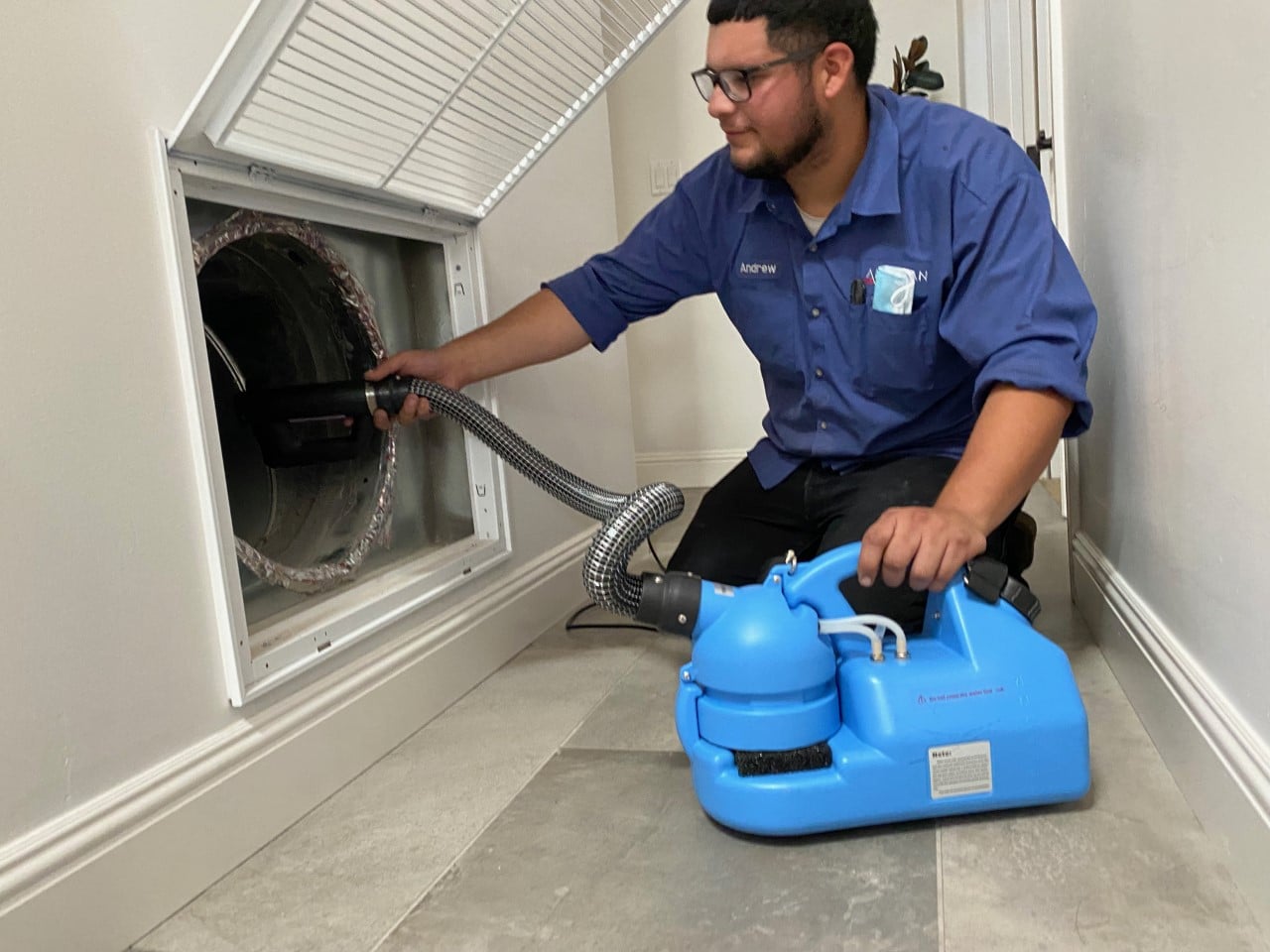
Bad smells emanating from cooling and heating systems can suggest significant air top quality concerns. internet Typical resources of these unpleasant scents include mold and mildew, mold, or bacteria growth in the ductwork, usually because of moisture accumulation. If the system has an undesirable, mildewy odor, it might signal that the air filters are clogged or that there wants ventilation, enabling impurities to distribute. Additionally, a burning scent could suggest electric problems or overheating elements, calling for immediate interest.
Homeowners need to regularly replace air filters and schedule routine maintenance to guarantee peak air quality. Making use of an air cleanser can also help get rid of odors and enhance indoor air top quality. If smells continue regardless of these steps, specialist inspection and cleansing may be essential to determine and resolve underlying problems. HVAC company. Recognition of these smells is crucial, as they can influence health and wellness and convenience in interior settings

Frequently Asked Inquiries
How Typically Should I Schedule Air Conditioner Maintenance?
It is advised to set up air conditioning maintenance at least yearly, ideally prior to the air conditioning period begins. Normal examinations can assist identify problems early, guaranteeing effective procedure and extending the life expectancy of the unit.
What Is the Average Life-span of an Air Conditioner Device?
The average lifespan of an air conditioner unit generally varies from 15 to two decades. Aspects such as upkeep, use patterns, and environmental conditions can significantly influence this period, impacting general efficiency and performance with time.
Exactly how Do I Pick the Right Size Air Conditioning Unit for My Home?

What Are the Indications My AC Device Demands Substitute?
Can I Install an AC Unit Myself?
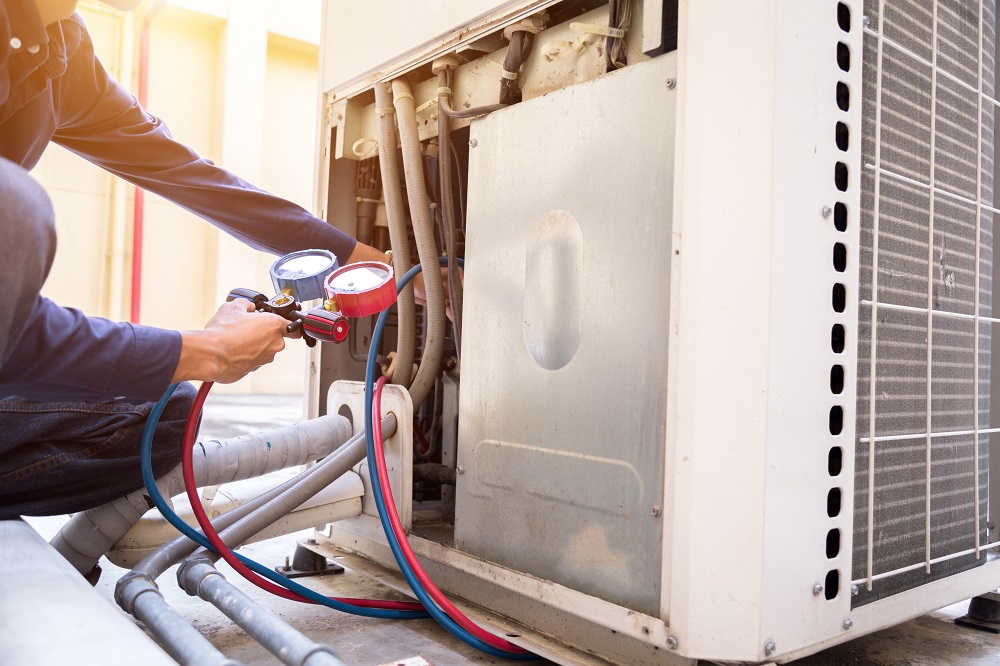
While mounting an air conditioning unit oneself is feasible, it requires technical knowledge and proper devices. air conditioner repair. Several people might encounter challenges with installment, possibly bring about inefficiency or security dangers, making professional aid suggested for suitable outcomes
Verdict
In recap, comprehending common HVAC troubles and their options is essential for preserving efficient a/c unit efficiency. Dealing with concerns such as inadequate cooling, unusual noises, regular biking, water leakages, and unpleasant smells can greatly enhance indoor convenience and air top quality. Regular upkeep, consisting of filter adjustments and timely repair services, plays a considerable role in stopping these problems. By remaining positive, house owners can ensure their a/c systems operate successfully, inevitably lengthening the lifespan of their a/c systems.